

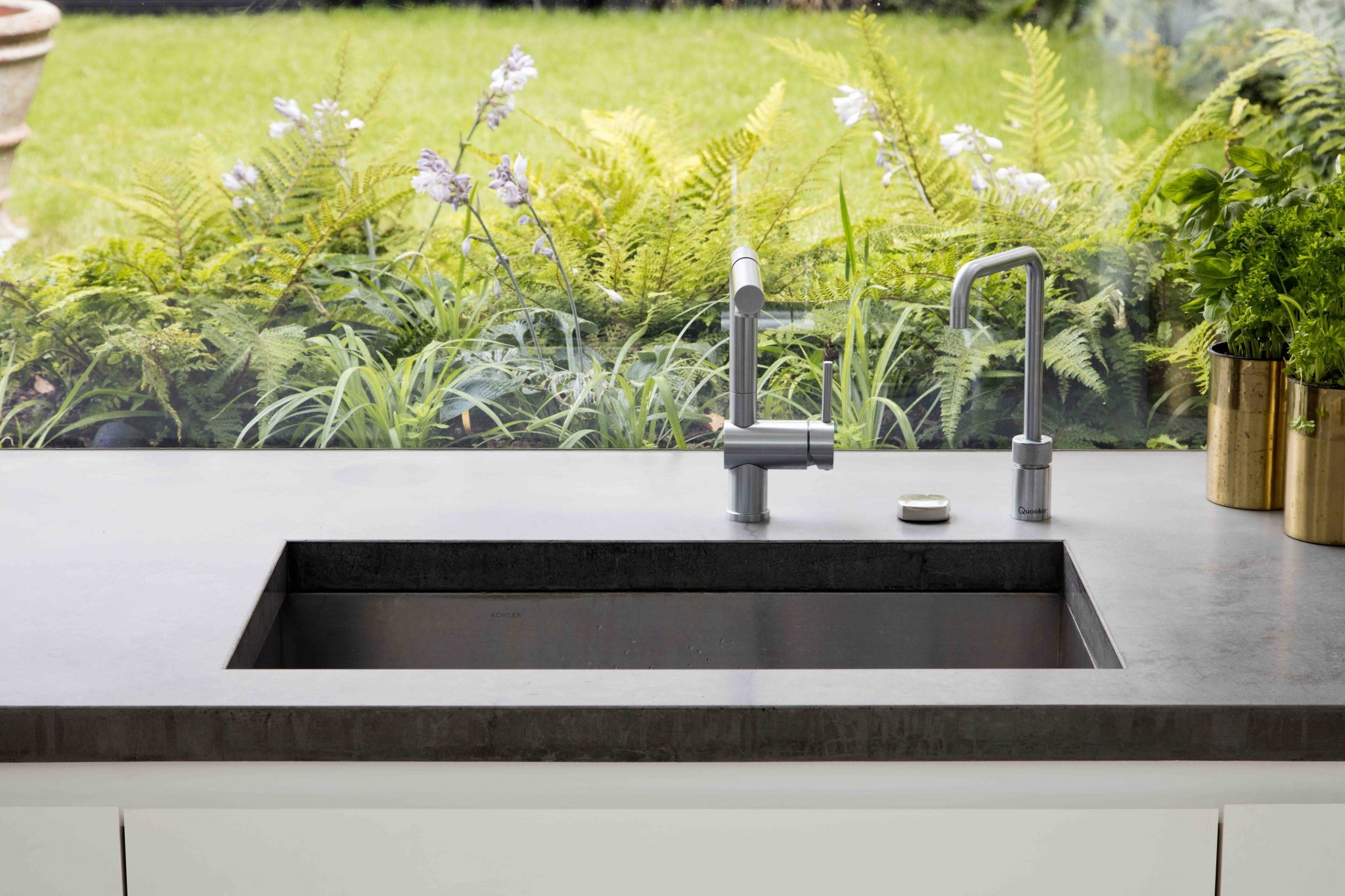
Your home shapes how you move through the day, from busy mornings in the kitchen to the way you unwind at night. Good interior design can make those everyday experiences feel calmer, easier and more intuitive.
This is where interior design for wellbeing becomes meaningful. It is not simply about creating a calming aesthetic, but designing a home around how you actually live. In this article, we look at the practical decisions that can support greater comfort, clarity and ease at home.
Because the homes that feel calm rarely happen by accident. They are designed that way.
Well-being starts with how a Home Functions
People often associate well-being with aesthetics alone. But in reality, emotional comfort usually begins with functionality. How easily you move through a space. How naturally rooms support your daily routines. Whether your home feels intuitive or constantly demands your attention. This is where functional flow becomes critical.
A well-designed kitchen reduces friction during busy mornings. A carefully planned bathroom creates smoother transitions at the start and end of the day. Storage works where you need it. Lighting supports how you actually use the space. These details shape how your home feels to live in.
You can see this clearly in the Ufton Road project shown below. The final kitchen was designed to feel cohesive, streamlined, and open-plan, connecting the comfort of an indoor kitchen with the character of the outdoor space. Details such as the island seating were not purely aesthetic; they helped create a kitchen that could support morning breakfasts, evening entertaining, and everyday ease.
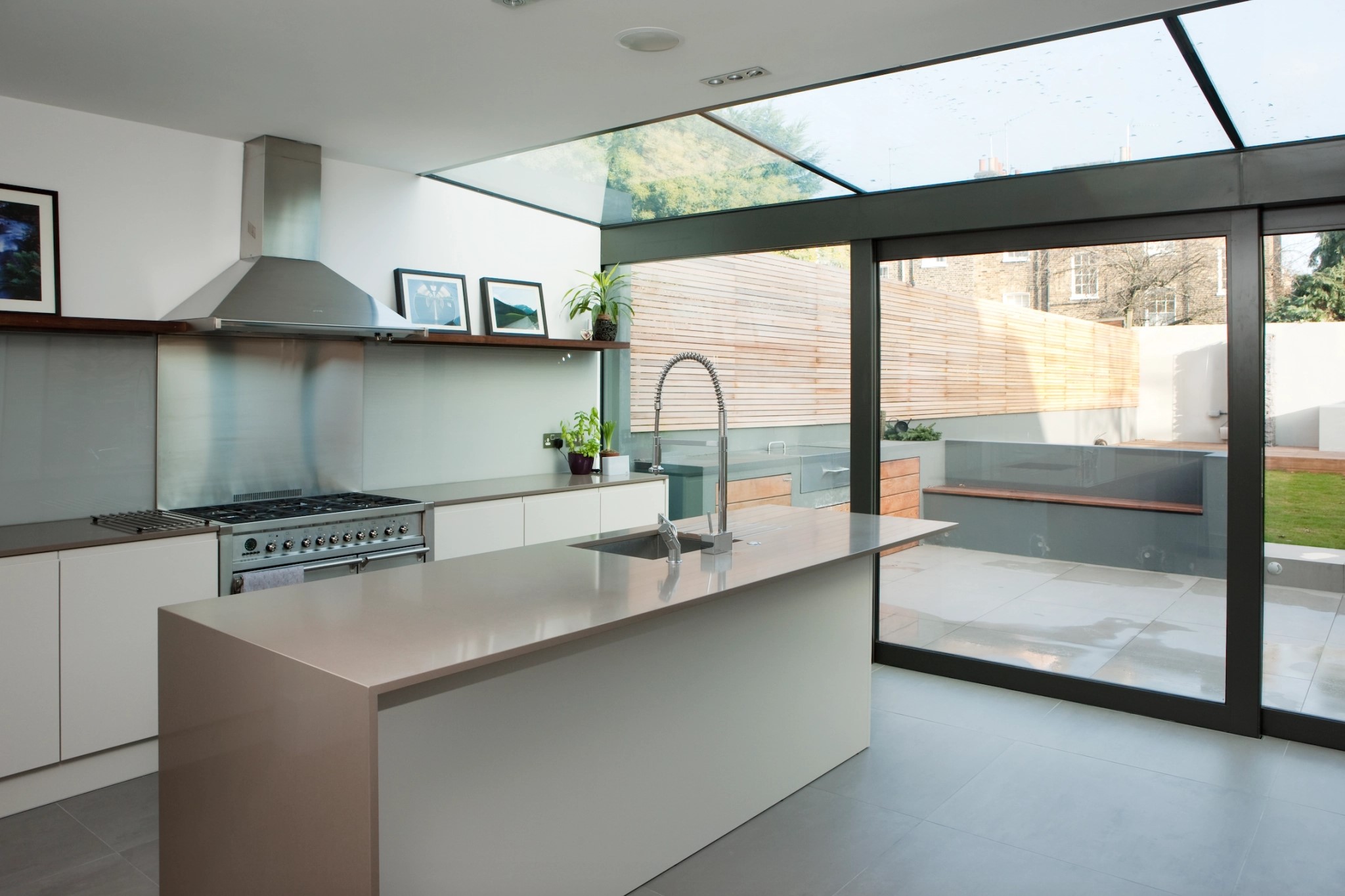 The Ufton Road Project in London, by Amberth. The ideal combination of style and convenience.
Why Calm Living Is Created Through Design
Some homes immediately feel calmer than others. Often, this has very little to do with size or luxury. Instead, it comes down to visual balance and proportion, lighting use, reduced visual noise, and material consistency. This is where calm living is created through thoughtful design decisions.
Cluttered layouts, poor lighting, and unresolved spaces subtly increase tension because the environment never fully settles visually or emotionally. It’s always demanding some of your limited attention.
We sometimes believe more is more – more options, more kitchen tools, more art on the walls, but this can be overwhelming. In a Journal of Personality and Social Psychology study, Sheena Iyengar and Mark Lepper found that too much choice can be demotivating rather than helpful, which is why clear design guidance can reduce overwhelm during a renovation.
A calm home does the opposite. It reduces overstimulation and creates a sense of ease without demanding attention.
Daily Routines Shape Emotional Well-being
The spaces we use most often shape us the most. The kitchen for morning routines and cooking. The bathroom for bathing and winding down for bed. Even simple transitional moments throughout the day matter in spaces like the entrance hall or passage. When these experiences are thoughtfully designed, ordinary activities begin to feel smoother and more restorative.
A bespoke kitchen can support connection and ease during busy evenings. A carefully lit bathroom can transform a rushed routine into a moment of pause. This is where design psychology becomes tangible. Design influences how a space looks, yes, but also how it supports behaviour and emotion over time.
The Psychology of Sensory Comfort
Well-being is deeply sensory. The materials under your hands. The way light changes throughout the day. The acoustics of a room. The warmth or softness of surfaces. All of these contribute to sensory comfort.
Natural materials often feel grounding because they introduce texture and warmth. Layered lighting creates softness rather than harsh contrast. Good acoustics reduce subconscious tension within a room. These are subtle decisions. But collectively, they shape how emotionally comfortable a home feels.
Mental Clarity Comes From Reduced Friction
One of the most overlooked aspects of home design for well-being is the amount of mental energy that poor spaces consume.
Homes that lack organisation, flow, or practical usability create constant low-level interruption:
- clutter without adequate storage, creating visual noise
- awkward circulation that makes moving through the home less intuitive
- difficult layouts where furniture or corners interrupt natural movement
- poorly considered lighting that does not suit how the room is used
Over time, these frictions reduce mental clarity because the environment continuously demands your attention. Thoughtful design removes those interruptions. And that reduction in friction creates a surprising sense of emotional ease.
“What I appreciated most was how they guided me on how the space would actually feel and function day-to-day. It wasn’t just about making things look good; they helped me understand how we’d actually use the space.”
– Naomi Stonier
See more of our verified reviews on Google.
A Personal Sanctuary Looks Different for Everyone
Well-being is personal. For some people, a calm environment means minimalism and openness. For others, it means warmth, texture, and layered materials. This is why true lifestyle alignment matters more than following trends.
A home should support how you live, work, recharge, and gather with others. That is unique to you. The goal is not to create a universally perfect interior. It’s to create a personal sanctuary that feels genuinely aligned with you.
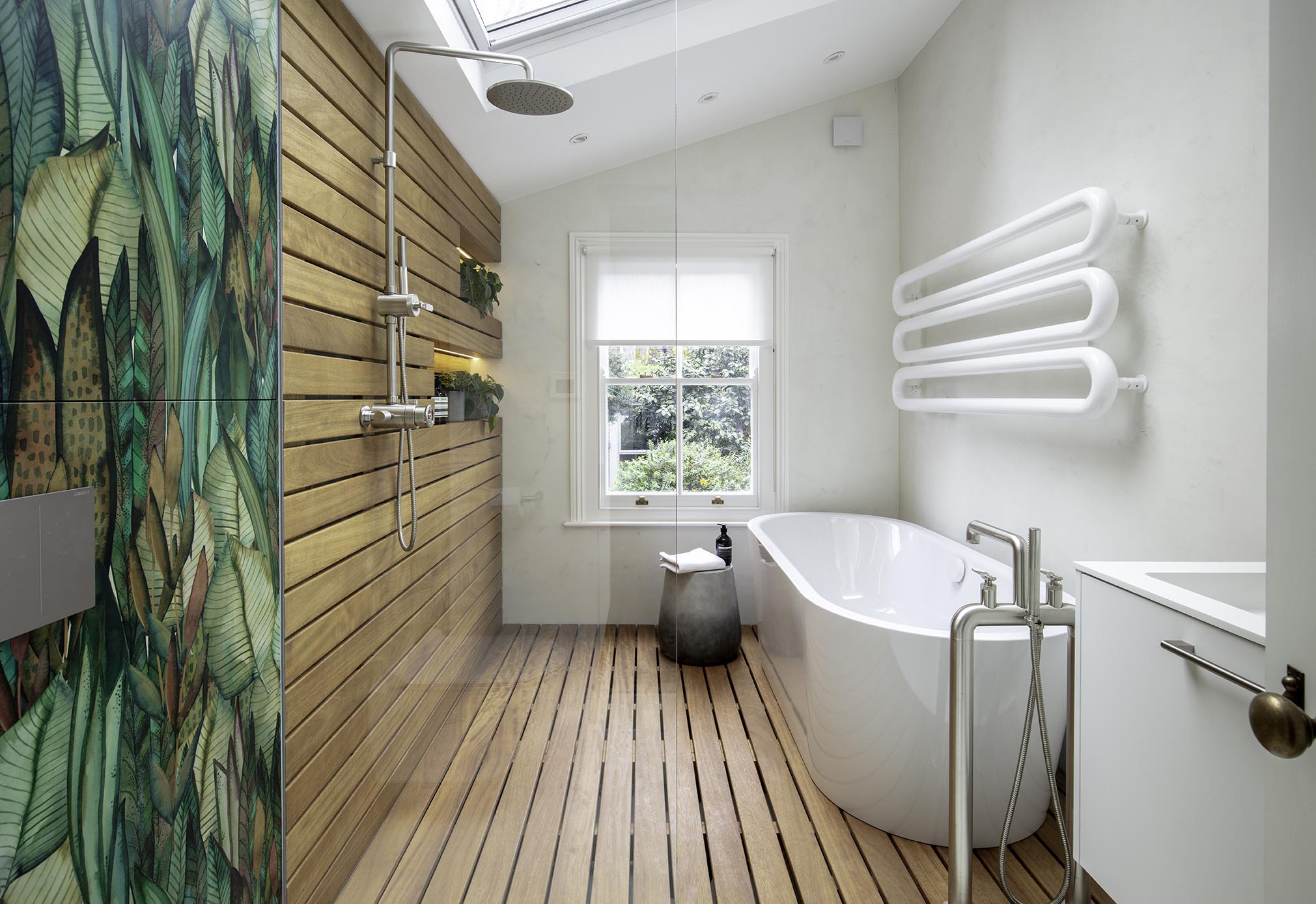
Good Design Supports You
The most successful interiors rarely demand attention constantly. Instead, they support life, working in the background. They create easier routines, calmer transitions, more intuitive spaces, and reduce emotional friction.
This is why thoughtful homes feel different. Because every detail has been considered carefully enough to make daily life feel lighter, calmer, and more supported. A home affects emotional well-being far more deeply than most people realise through clarity, comfort, and thoughtful functionality.
When interior design for well-being is approached holistically, the result is a home that supports the way you want to feel every day.
Designing Around the Way You Live
A well-designed home should support more than aesthetics alone. It should support how you feel, move, rest, and live every day.
At Amberth, this idea is visible across more than 56 published home remodelling projects on our website. Again and again, the most successful outcomes are not simply the ones that look more refined. They are the ones that make daily life feel easier. A 2020 RIBA survey of 1,500 UK homeowners found that 70% felt the design of their home had affected their mental wellbeing during the pandemic, while 23% wanted to reconfigure their existing spaces.
In other words, well-being at home really matters. If you’re planning a project and want to explore how thoughtful design can create a calmer, more supportive home environment, we’d be happy to guide you through it. Reach out to us, or better yet, come visit.
FAQs: Interior Design for Wellbeing
What is interior design for well-being?
It’s an approach to design that considers how environments affect emotional well-being, comfort, and everyday life.
How does thoughtful interior design improve well-being?
By reducing friction, improving functional flow, and creating spaces that support calm, clarity, and comfort.
Can design really affect mental clarity?
Yes. Poor layouts, clutter, and overstimulating environments can increase stress, whereas organised, intuitive spaces support mental clarity.
What makes a home feel calming?
Lighting, layout, materials, acoustics, and visual simplicity all contribute to calm living and sensory comfort.
Does well-being interior design mean minimalism?
Not necessarily. Well-being-focused homes are about lifestyle alignment, not a specific aesthetic style.


