

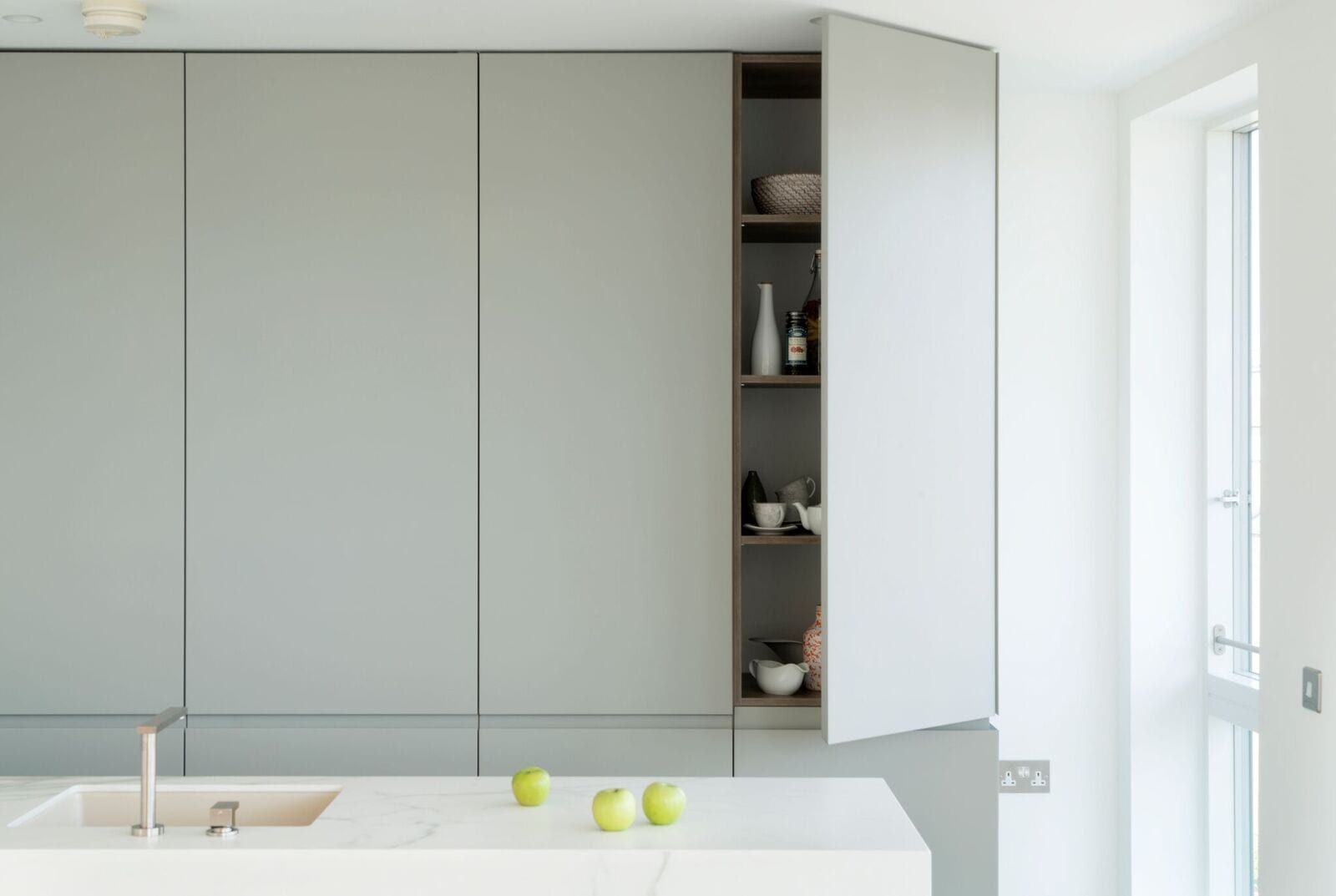
Explore Amberth’s page to discover projects completed in North London bathrooms and kitchens by Amberth.
At the beginning, a renovation usually feels full of opportunities. It’s daunting, yes, but exciting at the same time. Everything seems to feel manageable in correlation with your daily life.
You assume the project will occasionally demand attention, but it remains separate from the rest of life.
Then, gradually, something changes.
The renovation starts following you into the workday.
You begin replying to contractor messages between meetings. Revisiting layouts during presentations. Carrying unresolved decisions in the background of conversations that have nothing to do with the house at all.
This is where renovation stress shifts from inconvenience into something more consuming. And for many professionals living through a renovation, the challenge is not physical disruption.
It’s the slow erosion of mental bandwidth.
Renovations Rarely Disrupt Your Schedule First
Interestingly, most renovations don’t initially interfere with time. They interfere with attention. The early stages often feel relatively contained – reviewing concepts, discussing layouts, selecting finishes.
But as the renovation process progresses, unresolved decisions accumulate in the background. And unlike scheduled work, they rarely arrive in clean, predictable blocks. Instead, they interrupt your focus.
This is what makes managing renovation stress so difficult for high-performing professionals. The project doesn’t stop your workday, but it does fragment it.
The Cognitive Load Builds Quietly
Most people underestimate how much cognitive load a renovation creates. Not because individual decisions are especially difficult. But because the project remains mentally open at all times. Each task may seem small on its own, but collectively, they create constant background processing. And this ongoing project uncertainty consumes attention even when you are not actively thinking about the renovation itself.
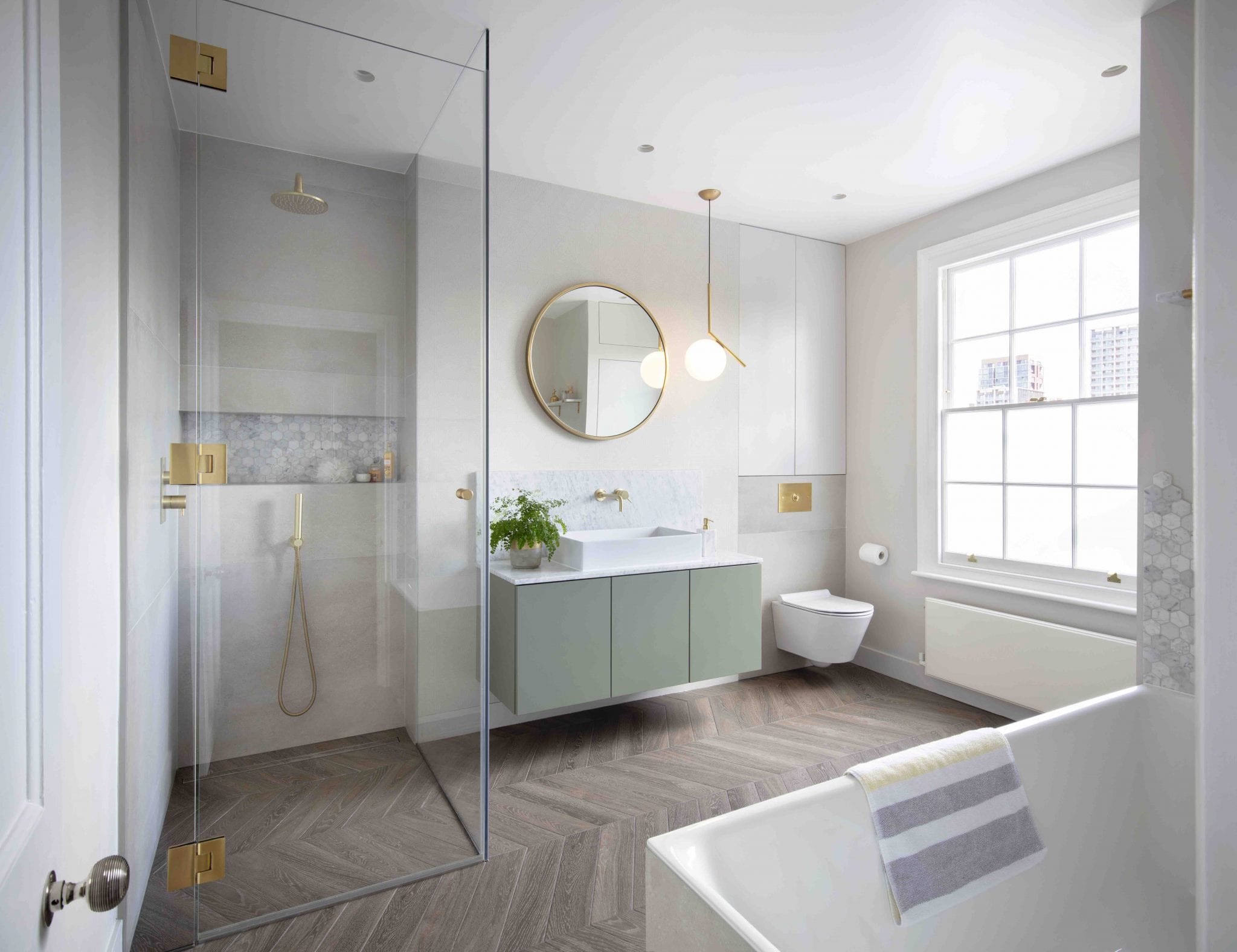 A beautiful bathroom renovation in De Beauvoir Road, London, by Amberth
Why High-Performing Professionals Feel This So Strongly
Leadership roles depend heavily on clarity.
Whether you lead a business, manage teams, or make complex decisions professionally, your work likely already requires:
- rapid prioritisation
- sustained concentration
- strategic thinking
- constant decision-making
A renovation competes directly with those same mental systems. This is why renovation decision fatigue often feels disproportionately draining for people in demanding professional roles.
Not because they are less capable of managing complexity. But because the renovation begins occupying the same cognitive space needed for work itself.
Decision Fatigue Spreads Beyond the Project
At first, the decisions feel manageable, but over time, decision fatigue expands beyond the renovation. Simple choices begin to feel heavier. Concentration shortens. Patience narrows.
This is one of the least visible aspects of a stressful renovation experience. The exhaustion doesn’t necessarily come from major problems.
It comes from carrying too many unresolved decisions simultaneously. According to research by Frontiers in Cognition, repeated decision-making can reduce the efficiency and quality of later decisions, especially in professional contexts.
So when a renovation adds dozens of unresolved choices to an already demanding work life, the impact rarely stays neatly inside the project. It follows people back into their meetings, inboxes, families, and focus.
Project Uncertainty Consumes Mental Bandwidth
What creates the greatest strain is rarely activity alone. It’s ambiguity. Not knowing when something happens, whether a delay matters, if a decision is urgent. This kind of uncertainty creates persistent mental occupation.
And persistent occupation reduces available mental bandwidth for everything else. This is why many people describe renovations as emotionally tiring long before they become physically disruptive.
Managing a Project for a Professional’s Home at Hertford Road
The Hertford Road kitchen is a good example of how this pressure can show up in practice.
The client was not simply choosing a cabinet colour or a worktop. They were deciding how the kitchen would function within an open-plan space: whether the L-shaped peninsula would create enough separation, how pocket slides and hideaway doors would keep the room feeling calm, whether Neolith Estatuario porcelain would deliver the marble look without the maintenance concerns, and how internal drawer organisers and corner systems would make daily cooking easier.
For a client managing a demanding work schedule, these decisions can quickly become the kind of “small” questions that follow them into the workday.
Amberth’s role was to contain that pressure by turning several separate choices into a clear design conversation: layout, function, storage, material performance and visual finish were resolved together, rather than being pushed back to the client as isolated decisions.
The result was a kitchen that felt contemporary, classic and convenient, with an open-plan layout that remained practical, organised and easy to live with.
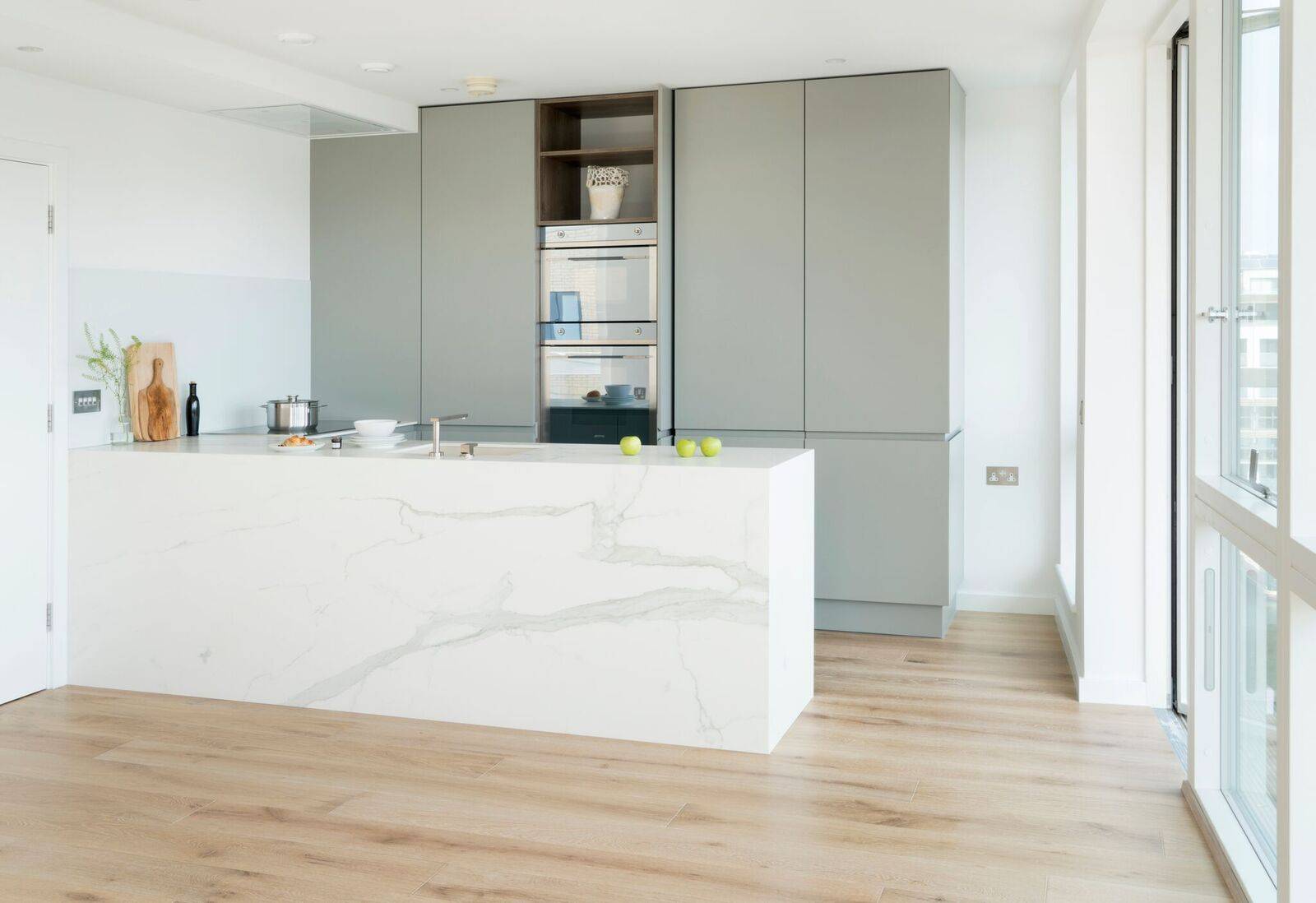 A contemporary designed kitchen in Hertford Road, London, by Amberth
Daily Disruption Is Often Emotional, Not Practical
People often prepare themselves for visible disruption. What they rarely anticipate is the invisible disruption:
- interrupted concentration
- fragmented thinking
- constant low-level vigilance
This form of daily disruption is harder to explain because it doesn’t always look dramatic externally. But internally, it steadily competes for attention.
Client Communication Changes the Entire Experience
One of the biggest factors influencing renovation stress is the quality of client communication.
Clear communication reduces:
- uncertainty
- unnecessary decision pressure
- repeated mental revisiting of unresolved issues
Based on Amberth’s client experience, the majority of our London renovation clients are managing their projects alongside demanding professional roles, which means communication is a service detail that prevents the renovation from becoming another unmanaged workload.
When updates are structured and proactive, clients spend less time trying to mentally “hold” the project themselves.
This creates greater project clarity.
And clarity restores cognitive space.
Structure Protects More Than the Build
A well-run renovation does more than organise construction. It protects attention. Strong sequencing, early decision-making, and realistic planning reduce the number of unresolved questions carried throughout the process.
This is where structure becomes emotionally valuable. Because the calmer the process feels operationally, the less it competes with the rest of life professionally.
Calm Renovations Protect Cognitive Space
The best renovation experiences are the ones that feel contained. When decisions happen at the right stage, communication remains clear and disruptions feel managed rather than endless.
The Real Cost of Renovation Stress
Most people expect a renovation to affect their home. What surprises them is how quickly it begins affecting attention, focus, and emotional energy, too. Because once unresolved decisions and uncertainty accumulate long enough, the project ceases to exist as a separate entity and starts competing with daily life. And this is why clarity, structure, and communication matter so much for the people living through it.
“I cannot recommend Amberth enough. They designed and renovated both bathrooms in our flat and the process couldn’t have been easier.”
A More Structured Renovation Experience
A renovation should not consume the same energy needed to live and work well. When projects are structured clearly from the outset, the experience becomes more contained, more predictable, and far easier to navigate alongside daily life. If you’re planning a renovation and want to approach it with greater clarity and support from the beginning, we’d be happy to guide you through it.
FAQs: Renovation Stress and Professional Life
Why does renovation stress feel so mentally exhausting?
Because renovations create ongoing cognitive load through decisions, uncertainty, and constant mental switching.
Why do professionals struggle with renovation decision fatigue?
High-performing professionals already use significant mental bandwidth at work, so additional decision pressure accumulates more quickly.
What causes a stressful renovation experience?
Usually, unresolved decisions, poor client communication, and prolonged project uncertainty, rather than the physical work itself.
Can renovation stress affect work performance?
Yes. Persistent uncertainty and daily disruption can reduce focus, concentration, and overall cognitive capacity.
How can renovation stress be reduced?
Through stronger project clarity, structured communication, realistic sequencing, and resolving decisions earlier in the process.


