

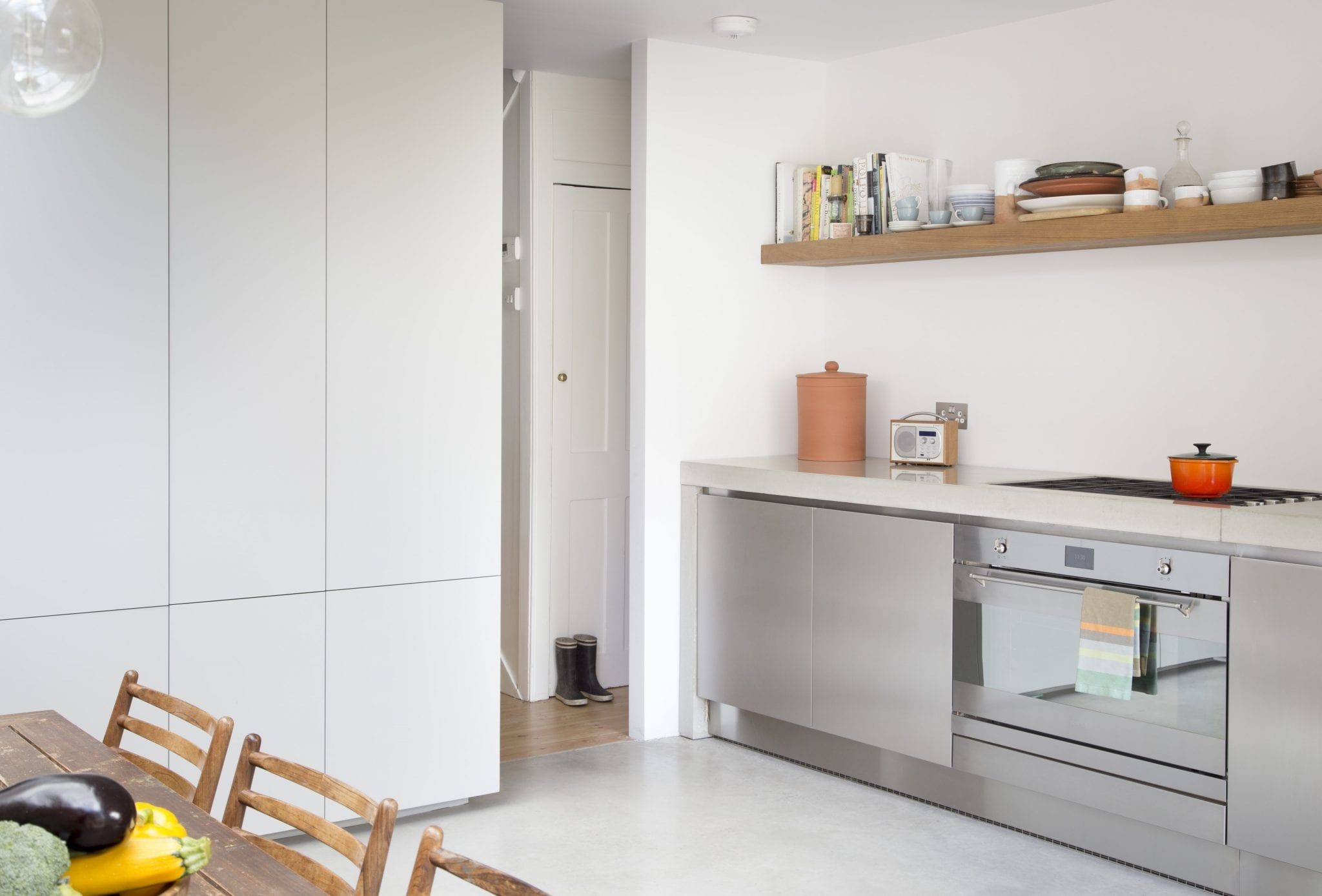
In remodelling projects, small renovation decisions rarely stay small for long. Within renovation decision-making, seemingly minor details often influence sequencing, usability, and how the finished space feels to live in every day.
This is why, according to Amberth CEO and Founder, Inga Kopala, many of the most important renovation decisions are the ones people initially assume can wait.
Because the small details are all connected.
Why Small Decisions Rarely Stay Small
A renovation is a system. Every element influences another.
Layouts affect services…
Services affect joinery…
Joinery affects lighting…
Lighting affects how your space will function daily…
And so on.
This is why even your small choices carry weight. A single late adjustment to a finish or fitting can trigger a snowball effect you don’t want in your home project.
The issue is rarely the decision itself, but how far its consequences travel.
Tiles: An Underestimated Decision
Tiles are often viewed as a finishing decision. But in practice, material selection affects much more than appearance.
Tile dimensions influence:
- floor levels
- grout alignment
- thresholds between spaces
- drainage positioning
- installation sequencing
Even slight adjustments can impact design coordination across the wider project.
Looking over our last 20 kitchen projects, clients making late tile decisions added an average of two to three weeks to project timelines. In renovation terms, that’s a lifetime.
This is why decisions that appear aesthetic on the surface are often deeply technical underneath.
Choosing the Right Finishes
A beautiful example of this is our Chesholm Road project. One of the decisions in this project that could easily have become heavier than expected was the choice of finish for the bespoke units. The kitchen already had a bright, clean base, with exposed brick and articulated fittings giving it a soft industrial feel. Stainless steel cabinetry was the right feature, but it also carried a risk: if handled in isolation, the space could have tipped from warm and considered into something colder and more commercial.
That decision was resolved by treating the cabinetry as part of a wider material conversation. The polished concrete worktop, recessed drain, under-mount sink and sunken gas hob reinforced the industrial language, while the 50mm solid oak shelf brought warmth and natural texture back into the room. What could have been a difficult aesthetic decision became a balanced one because the surrounding details were selected together, rather than one by one.
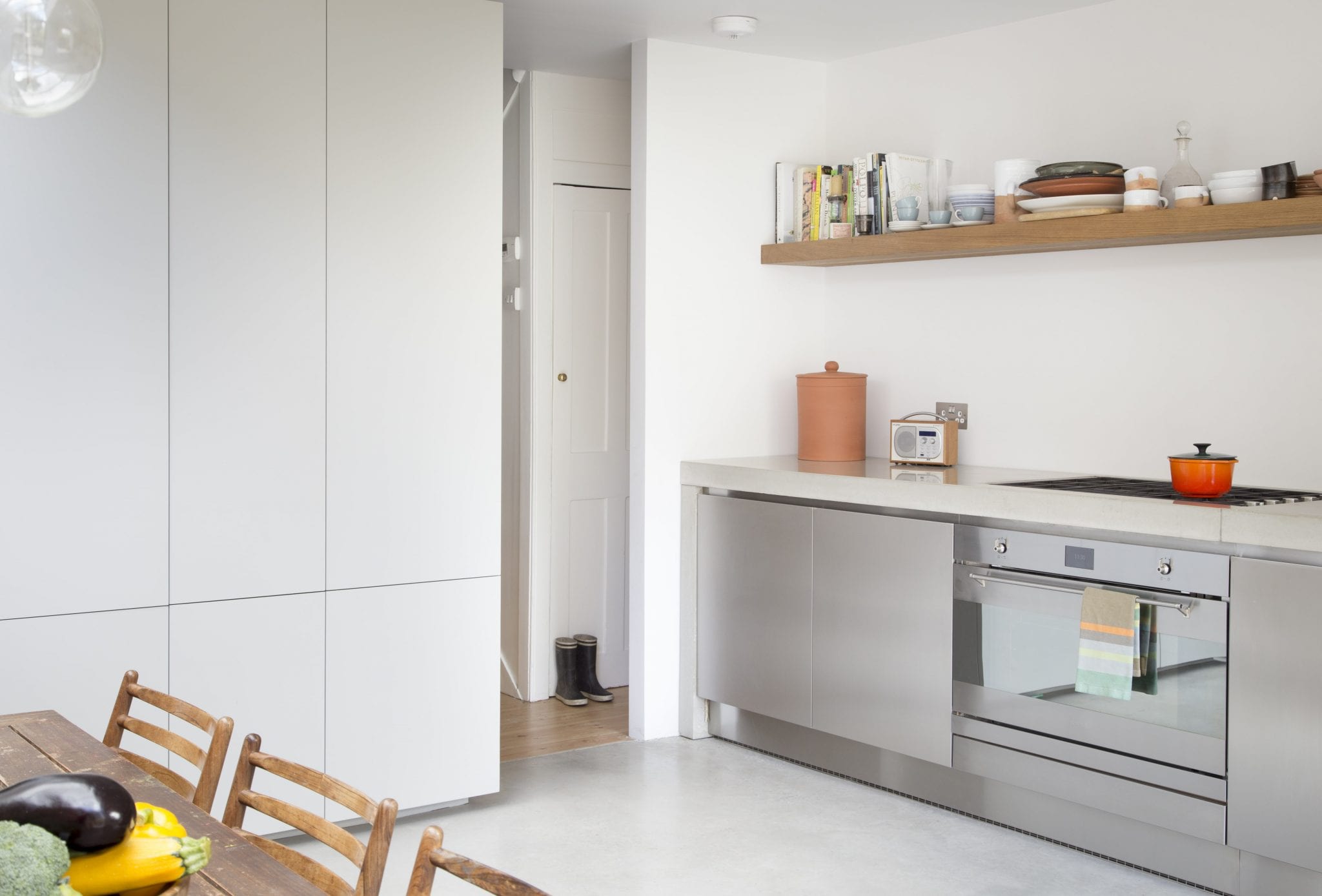 Chesholm Road Kitchen Remodelling Project in London, by Amberth
Electrical Layouts
Few things influence how a home feels more subtly than the electrical layout.
Switch positions. Socket placement. Lighting control.
These are rarely your most exciting design conversations. Yet they shape your experience of using the space every single day.
Poorly resolved electrical planning creates friction in your daily life, like inconvenient plug points, awkward switching placements and lighting that doesn’t make sense for the room.
When handled properly, these details disappear into the background, and that invisibility is exactly what makes them successful.
Joinery Decisions Shape the Entire Experience
Cabinetry dimensions are often treated as practical details.
But joinery detailing defines how a space performs in the ways that you feel. Drawer depths, shelving proportions and bespoke sizing are prime examples of the details that determine whether storage feels intuitive or frustrating over time. Good joinery is behaviourally aligned.
The Real Problem Is Usually Timing
Small decisions become problematic when they happen too late. At the beginning of your renovation, flexibility feels harmless. But late decisions create scope changes. And decision timing matters because every stage of a renovation is connected to another.
The later a decision moves, the more disruption it creates around it.
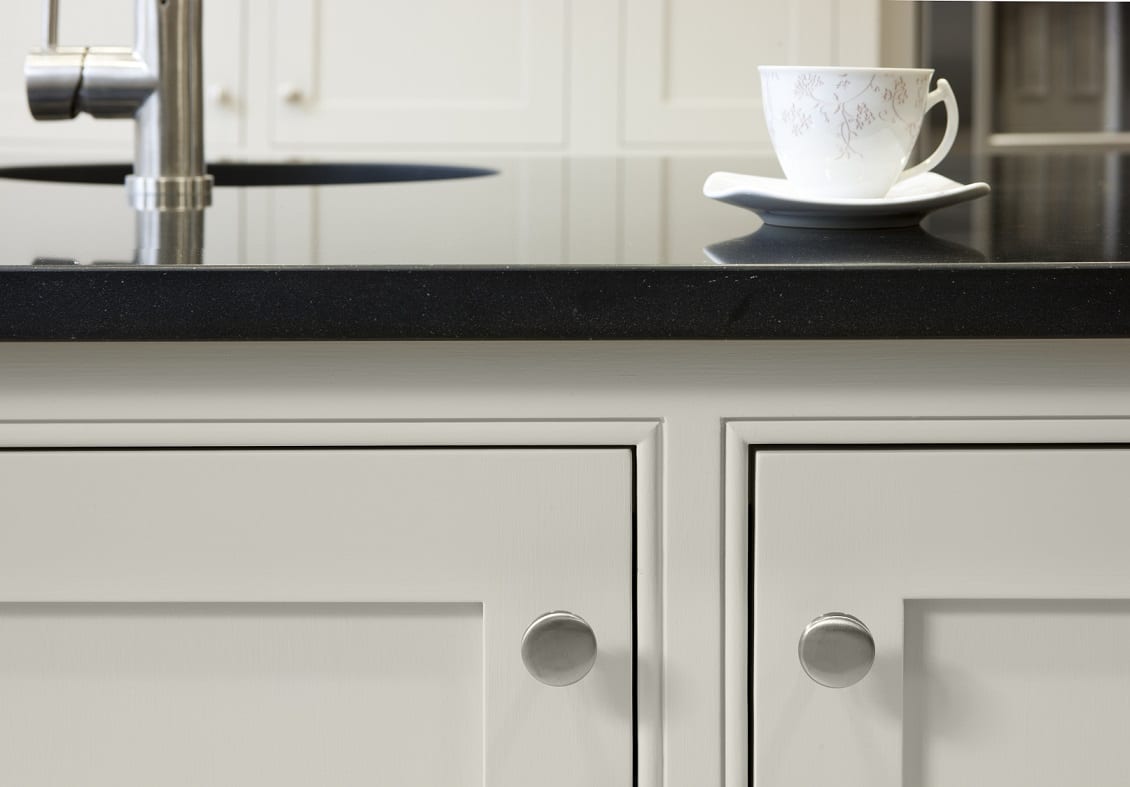 Holland Park Road Project with Solid Oak Cabinets and Granite Countertops, by Amberth
Why Small Decisions Feel Bigger During Construction
Once work begins on site, every unresolved detail becomes more visible.
Questions become urgent. Dependencies become immediate. Changes become more expensive.
This is why projects often feel more stressful midway through construction.
Because too many small decisions are still moving through the process without enough project clarity.
How Clarity Prevents Small Problems from Becoming Large Ones
The best renovation experiences are rarely the result of fewer decisions but the result of earlier resolution.
When details are coordinated during design, everything falls into place.
Technical drawings become clearer, sequencing becomes smoother, procurement becomes more predictable, and installation becomes less reactive.
This is where strong design coordination changes the entire experience, because clarity removes uncertainty before it reaches the site.
The Details People Remember Most
Think about your home. You’re familiar with the space, and it makes you notice the details that are less dramatic. Things like how intuitive the lighting feels. Whether storage works with your natural flow. If the transition between spaces feels easy.
These moments are shaped by small renovation decisions. And over time, they become some of the most important choices in the entire project.
“If you want a dependable, reliable design team with exceptional attention to detail and the eagerness and energy to work with you no matter how small or big the project, I would highly recommend contacting Inga at Amberth.”
– Nita Nicole Upadhye
Read verified client reviews on our Google Business Profile
Small Decisions Create the Bigger Experience
A kitchen renovation is shaped by hundreds of connected choices.
And often, the decisions that feel the smallest at the time are the ones that most profoundly influence the finished experience.
This is why clarity, coordination, and timing matter so much.
When small decisions are resolved thoughtfully, the entire project feels calmer, more cohesive, and easier to live with long after construction ends.
The best renovations don’t feel effortless by accident. If you’re planning a project and want to approach every stage with greater clarity and coordination, contact us, we’d be happy to guide you through it.
.
.
.
.
FAQs: Small Renovation Decisions
Why do small renovation decisions matter so much?
Because even small choices affect wider systems like project sequencing, installation, and usability.
What are examples of small renovation decisions?
Tile dimensions, socket placement, internal joinery layouts, and lighting controls are all examples.
Why does decision timing matter in renovations?
Late decisions often create scope changes and disrupt coordination during construction.
What happens when decisions are delayed?
Delayed decisions increase uncertainty, affect procurement and sequencing, and reduce project clarity.
How can I avoid small decisions becoming larger problems?
By resolving details early during design and ensuring strong design coordination before work begins.


