

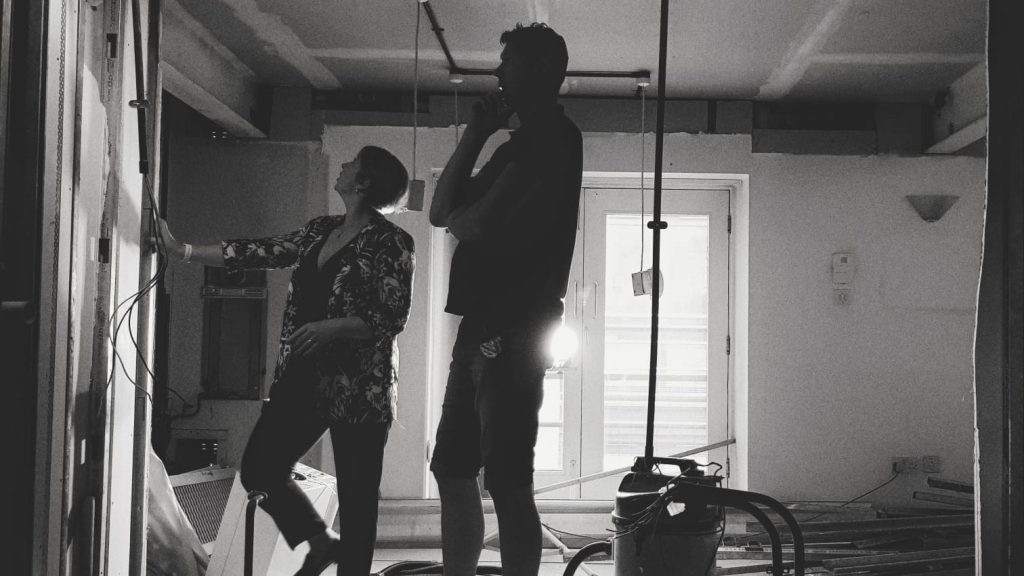
Renovation stress is rarely caused by the physical disruption.
It comes from carrying uncertainty throughout the process, including unclear timelines, unresolved decisions, and inconsistent communication.
Of course, the dust, noise and busy home is unsettling. But what makes it truly stressful is a little harder to define – it’s the mental load that comes with it.
The fact that it quietly occupied your attention every day. That ordinary decisions suddenly carried weight. That living through a renovation demanded more emotional energy than you anticipated.
This is what renovation stress actually feels like.
And for many people, the challenge isn’t the physical work. It’s the accumulation of uncertainty carried throughout the process.
The Stress Is Rarely About the Physical Work
You often expect inconvenience in a renovation.
You prepare for the chaos of it all: temporary kitchens, noise all day and contractors moving through the house.
But these things, while disruptive, are usually the challenges you’re expecting and prepared for.
What catches you off guard is the ongoing emotional pressure created by not fully knowing what happens next, when decisions need to be made or whether things are still on track.
Decision fatigue is well documented in psychology research. One conceptual analysis published via the U.S. National Library of Medicine describes it as the impaired ability to make decisions after repeated decision-making, particularly when a person’s self-regulation resources have been depleted.
That is why a poorly managed project can begin to affect more than the home. Concentration shortens. Patience narrows. Simple choices feel heavier than they should. The physical work may be happening on site, but the mental load follows the client everywhere.
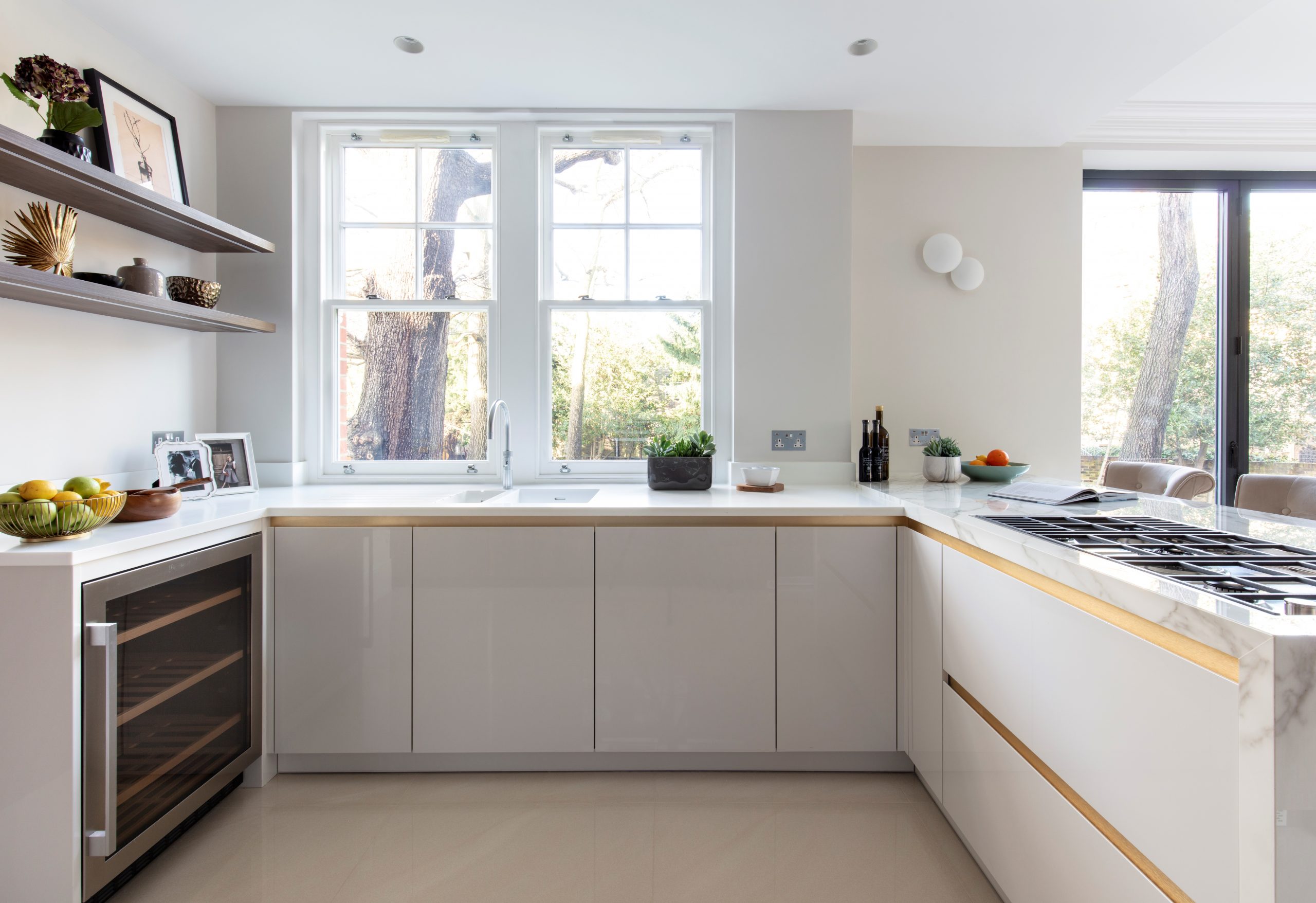 The Denleigh Gardens Kitchen Project in London, by Amberth
Renovation Creates Continuous Cognitive Load
A kitchen renovation introduces a constant stream of decisions, updates, and shifting priorities.
Even relatively small questions begin to accumulate:
- confirming finishes
- reviewing layouts
- responding to site discoveries
- approving changes
Individually, these moments are manageable. Collectively, they create cognitive load.
This is why living through a renovation often feels mentally heavier than you’d expect. The project requires continuous attention, even when no active problem exists.
And over time, that ongoing mental engagement reduces mental bandwidth.
Why Uncertainty Feels More Exhausting Than Activity
Interestingly, people are often capable of handling a significant amount of activity. What feels harder is ambiguity.
Unclear timelines. Open-ended decisions. Waiting for updates. Not knowing whether delays matter or not.
This kind of uncertainty creates far more stress than visible progress on site. Because when information is incomplete, the mind continues trying to resolve it in the background. This is where project clarity becomes emotionally important and not just operationally useful.
Decision Fatigue Changes the Entire Experience
At the start of a project, decisions can feel exciting. Materials, layouts, lighting – there’s energy around possibility.
But as the renovation process continues, something begins to shift. Too many unresolved choices create decision fatigue.
This is one of the most common causes of renovation anxiety, because the volume and timing of those decisions become overwhelming.
Communication Determines Emotional Stability
One of the biggest differences between calm renovations and stressful ones is not the complexity of the project. It’s the quality of client communication.
When updates are consistent, you feel that mental load dissipate. Uncertainty fades, decisions feel informed and clear, and progress becomes visible. Even challenges become easier to process because they arrive with context and structure.
Silence, by contrast, creates space for assumptions. Assumptions tend to increase stress quickly.
“Amberth renovated our upstairs shower room. They were highly professional from start to finish: creative and knowledgeable design consultations, detailed project planning, prompt and specific communications throughout.”
What Makes Some Renovations Feel Surprisingly Calm
No renovation is completely free from disruption, but some feel fundamentally more manageable than others.
Usually because of a well-structured timeline, strong project management and orderly processes. In other words, the stress was contained before it had space to grow. This is where strong project clarity changes the entire experience. People cope remarkably well with complexity when they understand it.
Across our projects last year, the most common feedback from clients mid-build was not about cost or delays. It was about wanting more frequent updates.
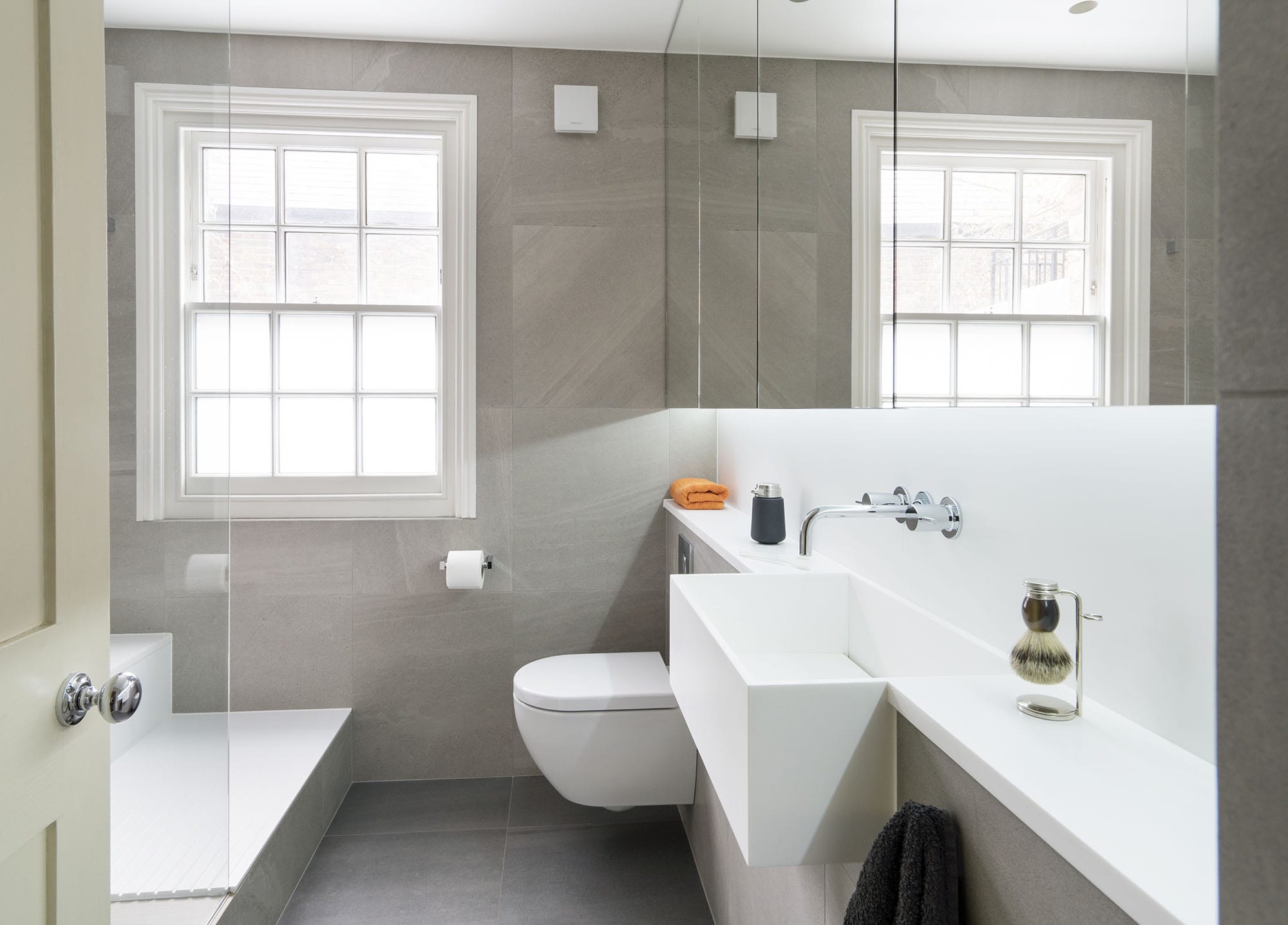 A bespoke bathroom remodelling project on Yardley Road, London, by Amberth
The Feeling People Remember Most
Interestingly, when clients reflect positively on a renovation, they rarely say: “The build was easy.” They usually say something closer to: “We always knew what was happening.”
That sense of visibility and structure matters enormously, because ultimately, most renovation stress doesn’t come from the work itself, but from carrying uncertainty for too long.
The Denleigh Gardens project shows what this looks like in practice. Amberth was involved from the early planning stages, reviewing the architectural designs, discussing layout options with the client and H&J Architects, and guiding decisions around appliance placement, storage, the peninsula island and ceiling-mounted extractor so the client was not left to resolve every choice in isolation.
Clarity Reduces Stress More Than Perfection
A renovation will always involve movement, change, and complexity. But complexity does not automatically create stress. Uncertainty does.
When the process is structured properly, with clear sequencing, realistic expectations, and strong communication, the experience becomes far easier to navigate emotionally because the unknowns have been reduced.
A More Structured Renovation Experience
A well-managed renovation doesn’t remove every challenge, but it does reduce the uncertainty surrounding them.
If you’re planning a project and want to approach it with greater clarity, structure, and support from the outset, talk to us, or better yet, visit us at our Islington studio.
FAQs: Renovation Stress
Why do renovations feel so stressful?
Most renovation stress comes from uncertainty, ongoing decisions, and reduced mental bandwidth, rather than physical disruption alone.
What causes renovation anxiety?
Renovation anxiety is often caused by unclear timelines, unresolved decisions, and inconsistent communication during the project.
Why does decision fatigue happen during renovations?
Because the renovation process involves many layered decisions over an extended period of time, creating ongoing cognitive load.
Can renovation stress be reduced?
Yes. Strong project clarity, realistic planning, and consistent client communication can significantly improve the experience.
Why do some renovations feel calmer than others?
Usually, because decisions are resolved earlier, sequencing is better managed, and uncertainty is reduced throughout the project.


