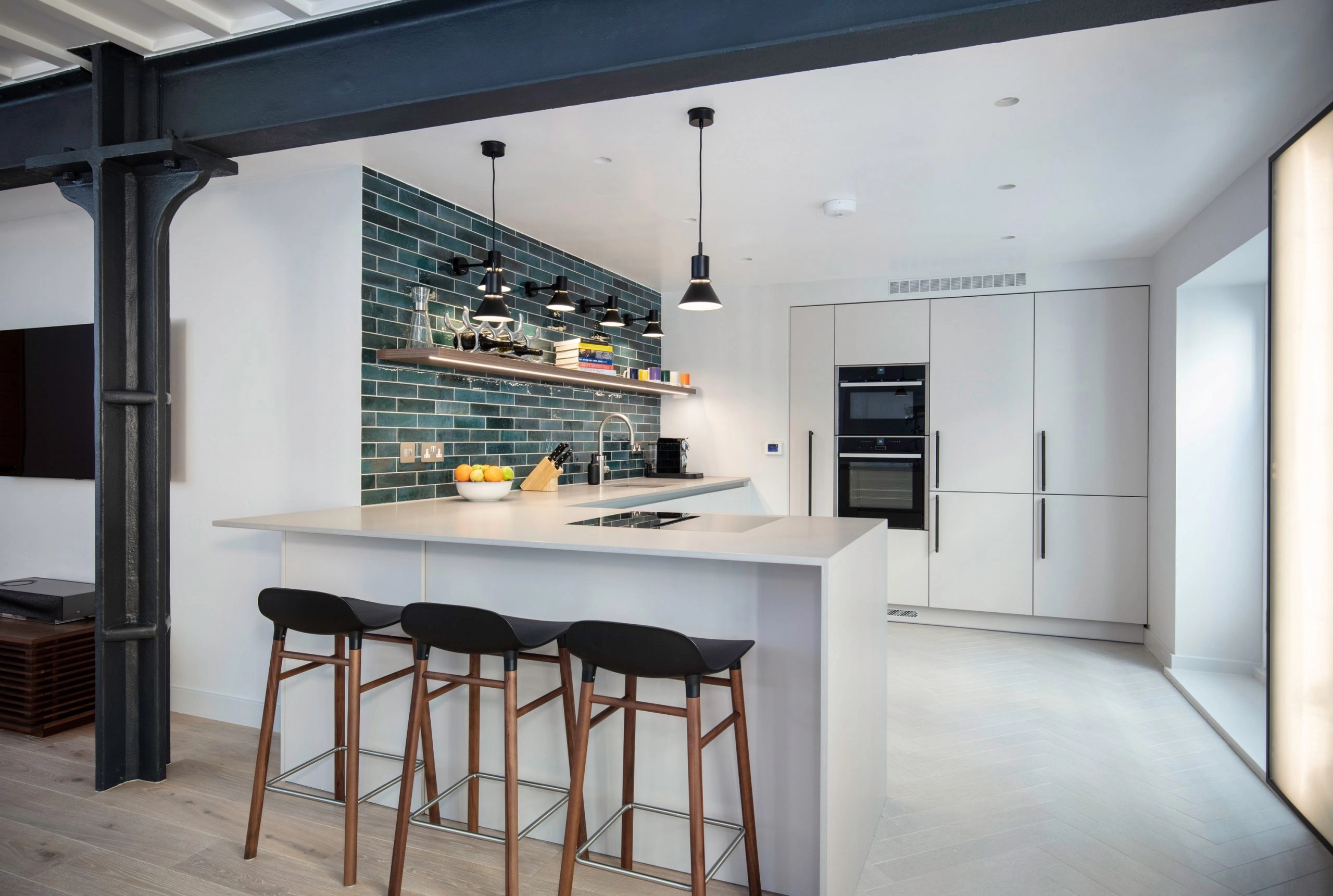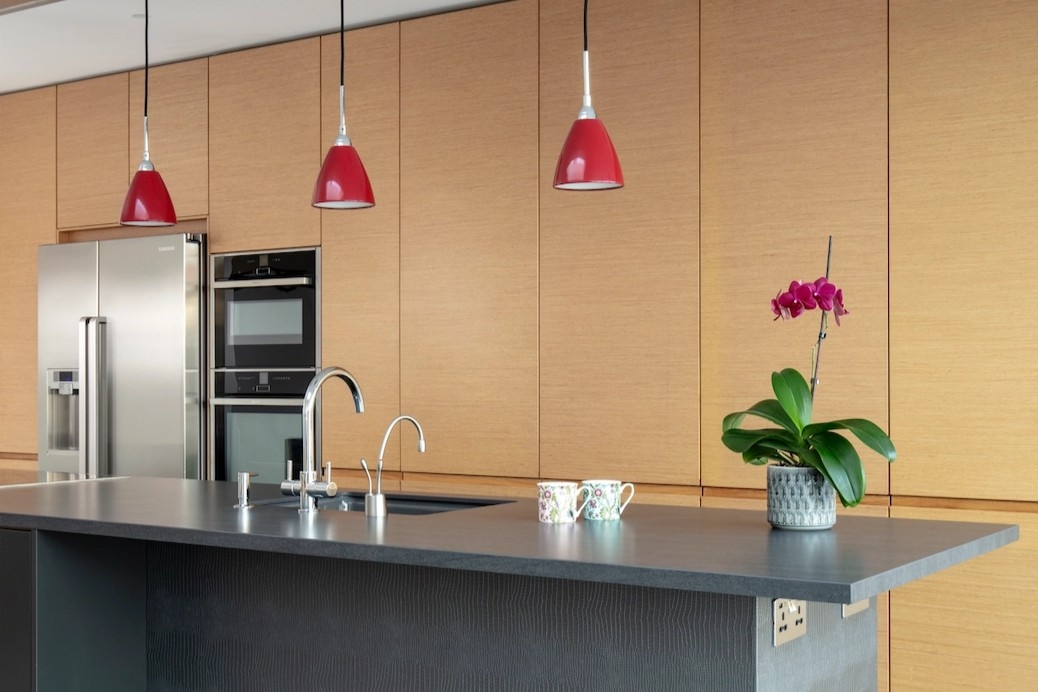
As your family grows, the way you use your home changes, too. Mornings become busier as you juggle ever-growing schedules, storage fills up faster with things you never knew you had, and the spaces that once felt generous are suddenly fighting with your mood. That’s why family-friendly home design has become about designing a home that can adapt, evolve, and support you for years to come.
Whether you’re welcoming your first child or navigating life with teenagers, designing a home for a growing family means thinking ahead. From layouts that flex with routines that change as often as timetables, to materials that stand up to daily life – hot dogs, pets, and homework included – thoughtful planning now can save stress later, while still delivering a home that feels calm, stylish, and unmistakably yours.
Designing for Real Life, Not Just a Moment
A home that grows with you starts with understanding how your family lives, not just how it looks on paper.
Children grow. Work patterns shift. Entertaining changes. And your home needs to support all of it without feeling cluttered or compromised. This is where future-proof design comes into its own: spaces that adapt quietly, without requiring constant reworking.
It’s not about predicting every detail of the future. It’s about creating a framework that allows your home to respond as life unfolds.
Flexible Layouts That Evolve Over Time
One of the most valuable tools in family-friendly interior design is flexibility.
Open-plan living works beautifully for young families, allowing sightlines between the kitchen, dining, and living areas. As children grow, zoning becomes more critical. Not only are you considering, for example, dividing a bedroom into 2, but also the implications of different stages of life on your existing space. That means spaces that can be subtly separated for homework, quiet time, or entertaining without losing connection. That can mean something like a standalone tub and shower for extra flexibility.
Designing with flexible layouts might include:
- Sliding or pocket doors that can open or close as needed, to give you all breathing room
- Multi-purpose rooms that evolve from playrooms to study spaces, so there’s space for work and play
- Thoughtful circulation that supports busy mornings and calmer evenings, to support your rhythms and routines
These choices help your home adapt naturally, without major renovations every few years.
Family Living Spaces That Balance Style and Practicality
Family homes don’t need to sacrifice elegance for comfort. The key is selecting finishes and layouts that quietly support daily life.
Kitchens become the heart of your home – places for cooking, homework, conversations, and everything in between. Bathrooms work harder, too, especially during school mornings. Designing family living spaces means ensuring each area flows smoothly into the next, supporting how your household actually moves through the day.
Good interior flow reduces friction. It makes everyday routines feel lighter, even when life feels full.
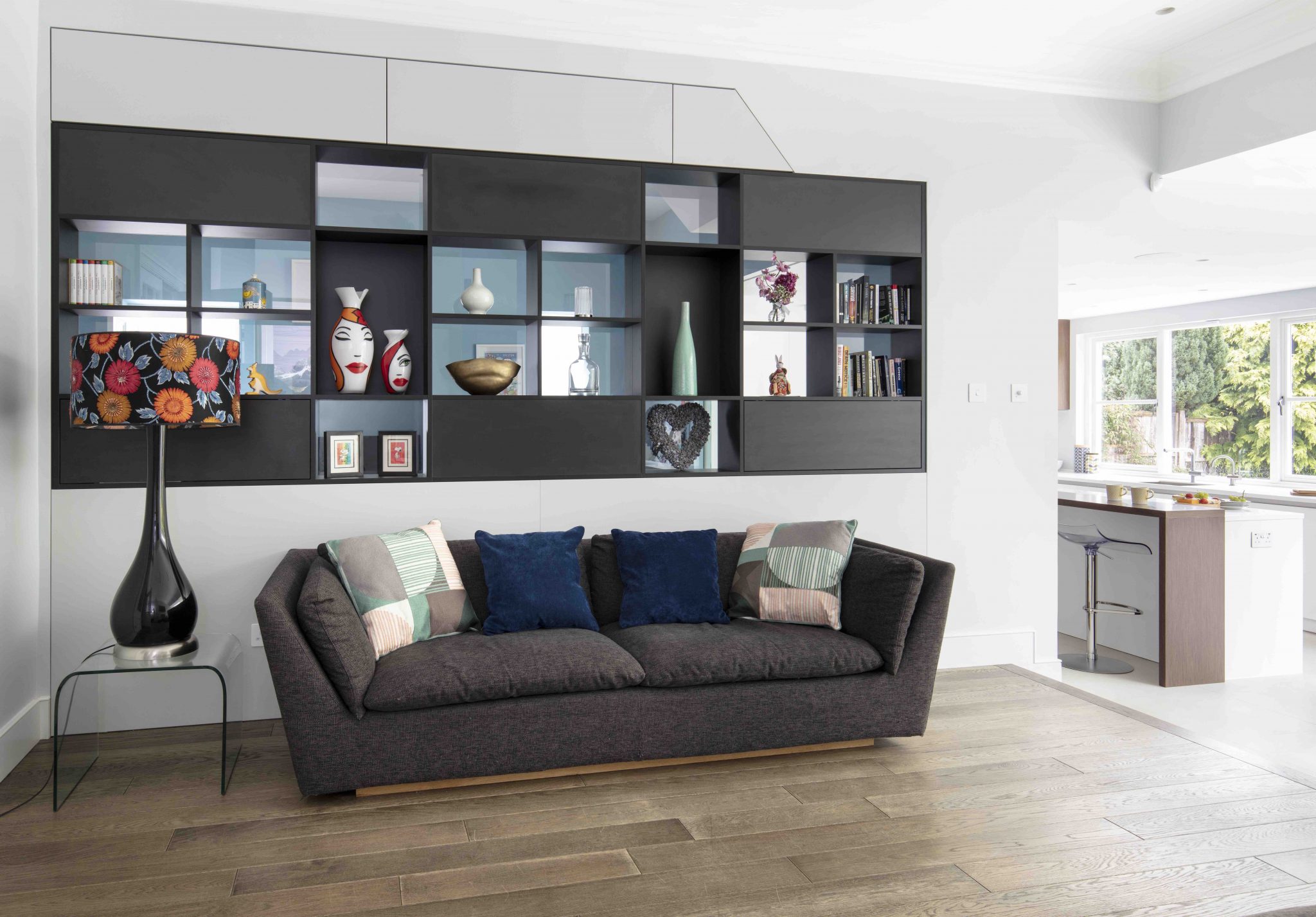 How To Plan A Clutter Free Home by Amberth
Storage Solutions That Grow With You
If there’s one constant in your growing family home, it’s the need for more storage.
The most successful homes don’t just add cupboards to every free corner they can find; they integrate storage solutions seamlessly into the architecture. Built-in cabinetry, under-stair storage, hidden utility zones, and joinery that adapts over time all help keep your home feeling ordered and calm.
Well-planned storage keeps toys, school bags, sports equipment, and everyday clutter out of sight without making your home feel like it’s fighting against family life.
Durable Materials That Still Feel Beautiful
When designing for families, materials matter more than ever.
Choosing durable materials doesn’t mean compromising on aesthetics. It means selecting surfaces that age gracefully, handle wear, and still feel warm and considered. Flooring that withstands foot traffic, cabinetry finishes that resist marks, and worktops that cope with daily use all contribute to a home that lasts.
Durability, when chosen well, becomes part of the design language.
Planning Without Over-Designing
One of the most important aspects of home renovation planning for families is restraint.
Designing for longevity doesn’t mean overloading the space with fixed solutions. Instead, it’s about making smart foundational decisions – layouts, infrastructure, and joinery – that make future changes easier.
A home designed this way feels calm, flexible, and quietly supportive. It gives you room to grow without needing to start again.
A Home That Supports Every Stage
We often work with families who want a home that works beautifully now, while quietly preparing for what’s ahead. One recent project involved rethinking a London family home to support early childhood while planning for the teenage years ahead.
By creating adaptable living zones, integrating storage throughout, and choosing finishes that could handle everyday life, the home was transformed into a space that felt generous, organised, and future-ready – without ever feeling clinical or over-engineered.
The result was a home that felt considered, welcoming, and genuinely lived-in in the best possible way.
Designing a Home You Can Grow Into
At its best, family-friendly home design is about trust: trusting the design choices you make today, so you can trust that your home will support you as life changes.
If you’re planning a renovation and want to create a space that grows with your family, we’d love to help you shape it.
FAQs: Designing for Growing Families
What makes a home truly family-friendly?
A family-friendly home balances flexibility, durability, and comfort. It supports daily routines, adapts as needs change, and feels calm rather than cluttered.
How can I future-proof my home for a growing family?
Focus on flexible layouts, integrated storage, and durable finishes. These foundational decisions allow your home to evolve without major redesigns.
Is open-plan living suitable for families in the long term?
Yes, especially when paired with thoughtful zoning. Open-plan spaces work well when they can adapt to changing needs over time.
How important is storage in family home design?
Essential. Integrated storage solutions help maintain order and reduce stress, allowing your home to feel calm and functional as your family grows.
Can a family home still feel stylish?
Absolutely. With the right materials, layouts, and detailing, family homes can feel elegant, warm, and beautifully designed without sacrificing practicality.