


Your designer doesn’t need the right words, only the truth of how you live. Share the rooms you actually use, the moods you want to feel, and images of spaces you love and loathe. Be candid about budget and priorities. The clearer your brief is, the closer they design to it.
If you’ve never worked with an interior designer before, it’s easy to assume you need to arrive with a fully formed vision. Perhaps you’ve saved hundreds of images, created detailed Pinterest boards and spent months refining your ideas. Or perhaps you’re worried you’ve done none of those things and don’t know the right words to describe what you’re looking for.
The truth is, understanding how to brief your interior designer isn’t about presenting a finished solution, or even a complete idea. Briefing an interior designer is about helping them understand how you live, what matters to you and what you want your home to do differently. It is also helpful to let the designer know what you do not like, would annoy you, or does not work in your existing space.
Having delivered more than [300] bespoke kitchen, bathroom and interior projects across London, we’ve found that an effective interior design brief gives context rather than instructions. It helps your designer understand not just what you like, but why you like it. That’s often where the most successful projects begin.
Your designer isn’t looking for perfect ideas
One of the biggest misconceptions about working with an interior designer is that you need to know exactly what you want before the first meeting. In reality, most experienced designers expect the opposite.
They know you may not know the names of materials, understand different layouts or be able to explain why one kitchen appeals more than another. That’s their expertise, not yours.
What they do need is enough information to begin interpreting your preferences. The brief is not meant to be a design solution, but the starting point for discovering one.
Over the past 20 years of designing kitchens, bathrooms and interiors across London, we’ve found that the strongest projects rarely begin with the most detailed briefs. They begin with open conversations where clients feel comfortable explaining their routines, frustrations and aspirations without worrying about using the “right” design language.
What helps more than knowing your style
Many clients begin by saying they want something “modern”, “timeless” or “minimal”. Those words are useful, but they’re only the surface. Far more valuable is understanding how your home functions today.
Do two people cook together every evening?
Is the kitchen where children naturally gather after school?
Do you regularly entertain?
Are worktops always covered with appliances?
Do you prefer everything tucked away or do you like everyday objects on display?
These answers reveal far more than a “style” ever could. Working with an interior designer is about uncovering the behaviours that shape your home, because those behaviours ultimately influence hundreds of small design decisions.
One example is our Summerlee Avenue kitchen project, where the client’s ambition wasn’t simply to create an open-plan kitchen diner, but a space that balanced effortless style with everyday practicality.
That understanding shaped every design decision, from the clean, push-to-open cabinetry and integrated appliances that maintain an uncluttered feel, to the carefully chosen materials and playful accents that reflect the client’s personality without compromising functionality.
The result is a kitchen that feels calm, individual and intuitive to use because the design responded to how the clients wanted to live, not just how they wanted the room to look.
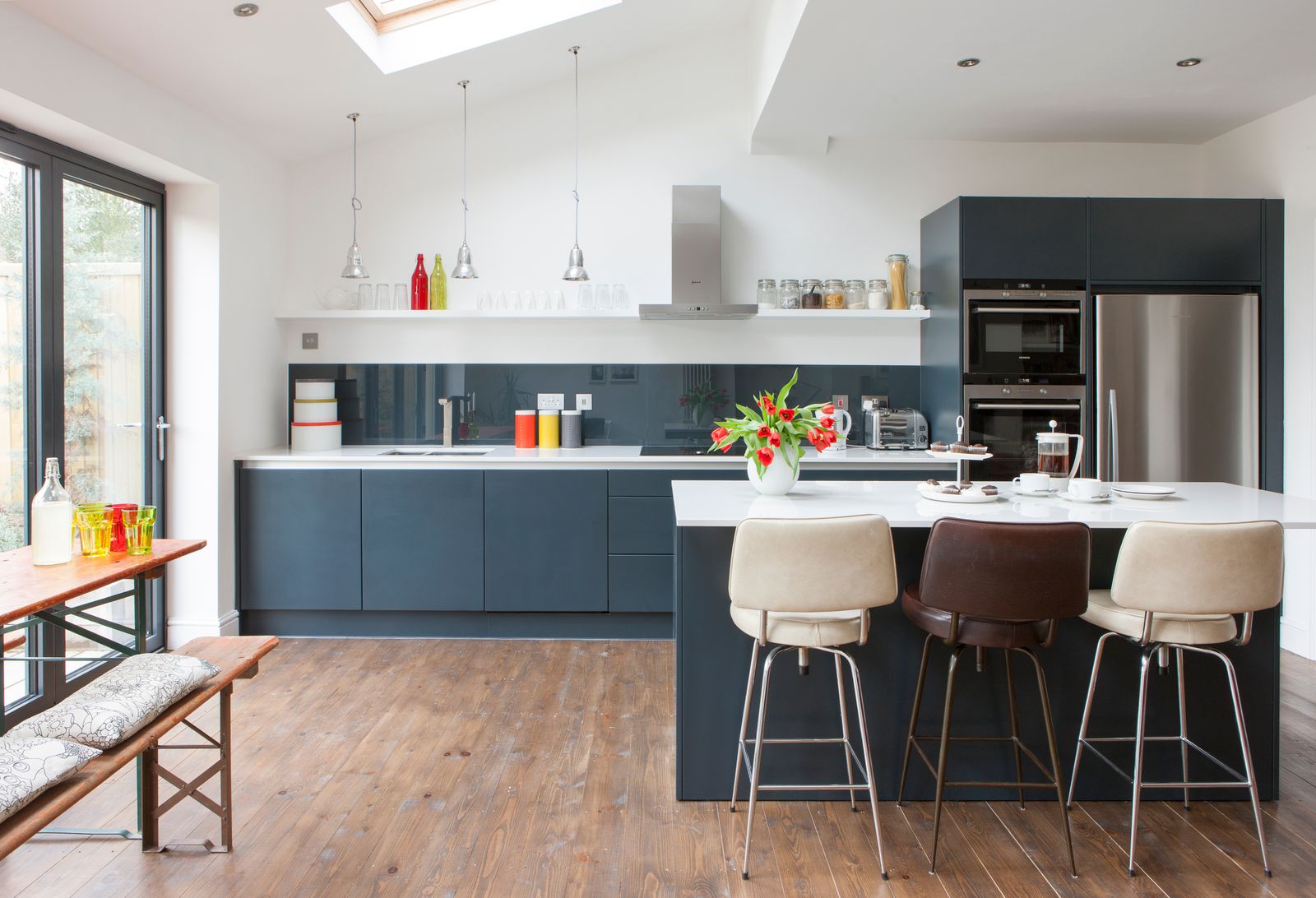 An open-plan kitchen in Summerlee Avenue, London, by Amberth
Inspiration explains taste. Context explains decisions.
There’s nothing wrong with arriving at your first meeting armed with Pinterest boards, Instagram saves or magazine cuttings. In fact, visual references can be extremely helpful. The important part is explaining why you’ve chosen them.
Instead of saying, “I love this kitchen.” Try explaining:
- “I like how uncluttered it feels.”
- “I like this style of tiles”
- ” I like the style of that tap.”
- “I love that everything has somewhere to live.”
- “I like how warm it feels even though it’s quite minimal.”
Those observations, whether on items and products or on the way you live, give your designer something much richer to work with than style alone. They reveal the feeling you’re trying to create.
That’s something a good design process can interpret, even if the finished design looks completely different from the image you originally saved.
That principle is reflected in the Design Council’s Double Diamond framework, one of the UK’s most widely recognised design methodologies. Its first stage, Discover, encourages designers to spend time understanding people’s needs, behaviours and challenges before developing ideas or proposing solutions.
In practice, that means the quality of the finished design depends less on how clearly you can describe your dream kitchen or bathroom, and more on how well you can explain the life you want it to support.
Start with what isn’t working
One of the most valuable parts of any client questionnaire isn’t asking what you want, but asking what frustrates you. Often, the strongest design opportunities come from the small inconveniences you’ve stopped noticing.
Perhaps everyone gathers in the same corner of the kitchen. Maybe shopping bags always end up blocking the walkway. Perhaps there’s never enough space for preparation when two people cook together.
Or maybe your kitchen technically has plenty of storage, but none of it is where you actually need it. These observations tell a designer where friction exists.
Removing that friction often creates a bigger improvement to daily life than adding another feature or choosing a different finish.
Your routine is part of the brief
The best homes are designed around people. Your morning routine. Your evening routine. Your children. Your pets. Your working day. Your weekends. Even small details matter.
Where do keys end up? How many coffee cups are used before 9 am? Does someone always work at the kitchen island? Do you buy flowers every week? These details help shape spatial planning in ways clients rarely expect.
The goal is to create a room that looks beautiful while supporting your life happening inside it. Clients are sometimes surprised by the questions designers ask because they seem unrelated to design. But these kinds of questions are revealing patterns.
Each answer helps build a more complete understanding of how your home works today and how it could work better tomorrow. That’s why a good brief feels less like filling in a form and more like having a conversation.
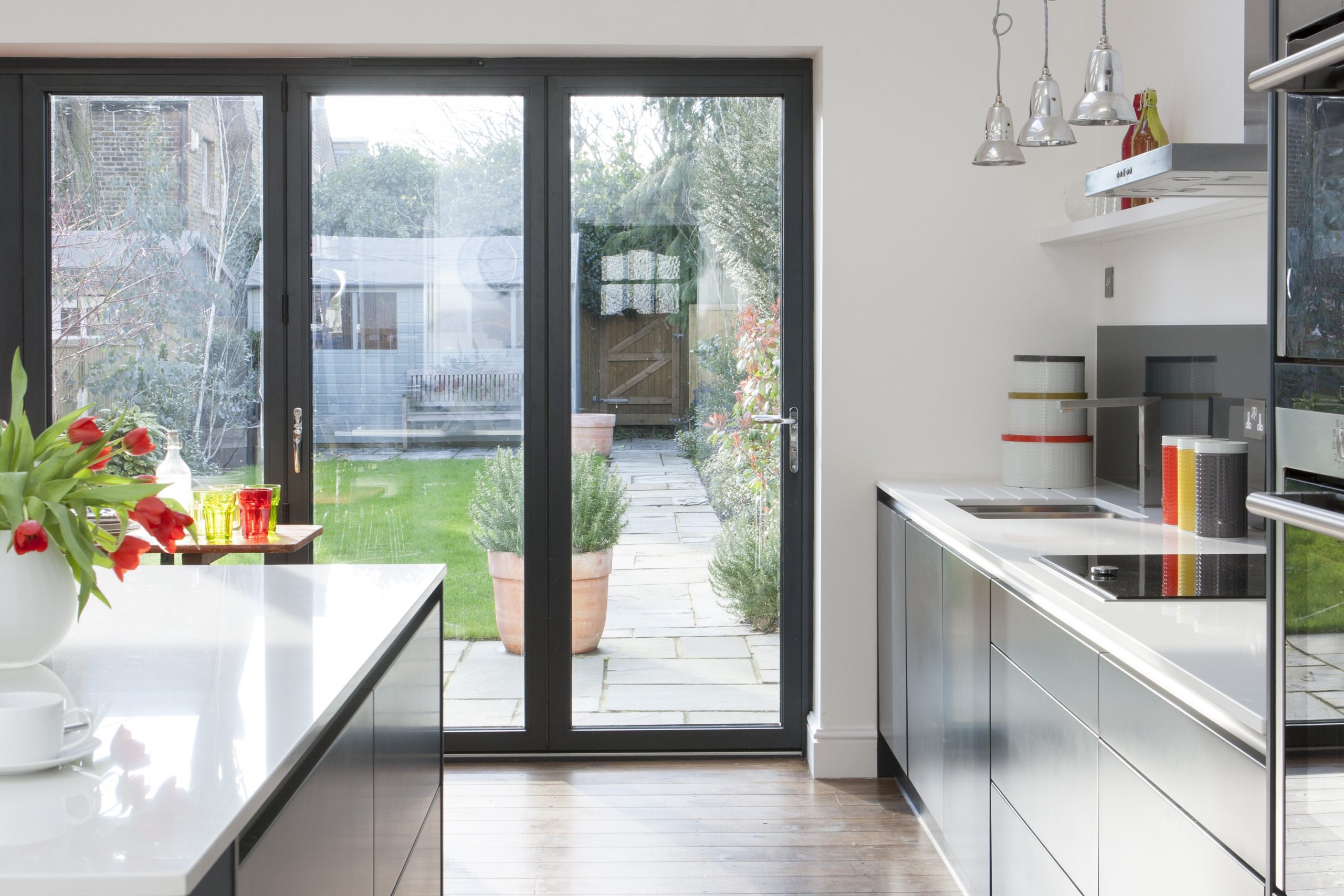
A bespoke interior by Amberth in Summerlee Avenue, London
The best briefs become conversations
A successful project isn’t built on a single perfect document, though. It develops through collaboration. Your first ideas evolve. Your priorities become clearer. Your designer begins to connect the practical requirements with the emotional ones.
That’s why the strongest moodboard comes from a conversation about atmosphere, priorities, habits and possibilities. The brief becomes more refined as both designer and client learn from one another.
“Amberth are a pleasure to work with. We are always impressed by the service and attention to detail at both the design stage and throughout the project. They are keen to work closely with you at every stage to ensure you are happy with all aspects of the project, and their team of builders are fantastic. We are very happy with the work they have done for us.”
– Review on our Houzz Profile
The goal isn’t to describe a room
People often worry that they won’t know the right words to describe the kitchen, bathroom or home they want. In reality, that isn’t your job. Your role is to explain how you want your home to support you.
A good designer listens for the patterns behind your preferences, asks the questions you hadn’t thought to ask, and translates all of that into spaces that feel intuitive, personal and beautifully resolved.
The best projects begin with a conversation. If you’re looking for a design partner who values clarity, longevity, and your experience as much as the final result, book a consultation with us.
If you’re considering a renovation and wondering how to communicate your ideas, we’d be delighted to guide that conversation at our studio in Islington. Our design process is built around listening first, asking thoughtful questions and creating spaces that genuinely reflect the people who live in them.
FAQs
What should I include in an interior design brief?
Include information about your lifestyle, routines, frustrations, priorities, budget, timeline and the way you want your home to feel. Visual inspiration is useful, but explaining why you like certain images is even more valuable.
Do I need to know my interior design style before meeting a designer?
No. An experienced designer will help you define your style through discussion, examples and exploration. You don’t need to have all the answers before the process begins.
Are Pinterest boards useful for interior designers?
Yes, but they work best when they’re accompanied by context. Explain what you like about each image, whether it’s the light, layout, materials or atmosphere, rather than expecting the designer to copy it.
Why do designers ask so many personal questions?
They’re trying to understand how you live rather than simply what you like. Your routines, habits and priorities often have a greater influence on successful design than your preferred colour palette.
How can I help my designer understand what I really want?
Be honest about what works, what doesn’t and how you use your home. The more context you provide, the easier it is for your designer to create a solution that’s tailored to your lifestyle.


